
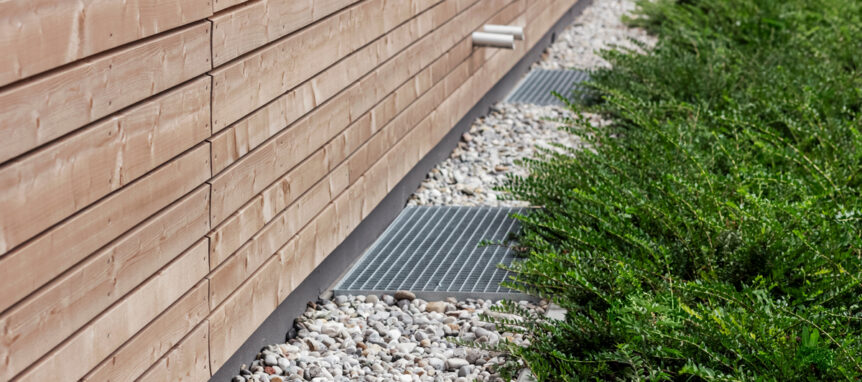
South Florida landscapes experience intense rainfall, high humidity, and frequent afternoon storms throughout much of the year. While healthy landscaping needs adequate water, too much water in the wrong places can quickly create problems. Poor drainage may leave lawns saturated, create standing water around landscape beds, contribute to erosion, and place unnecessary stress on plants.
Proper landscape drainage helps direct excess water away from vulnerable areas and allows outdoor spaces to recover more efficiently after heavy rainfall. For HOAs, commercial properties, and residential communities, addressing drainage should be an important part of maintaining a healthy, attractive, and functional landscape.
Preventing Standing Water Throughout the Landscape
After a typical South Florida storm, some temporary pooling can occur. When water consistently remains in the same locations long after rainfall ends, however, the landscape may have a drainage problem.
Low areas, compacted soil, improper grading, and inadequate drainage infrastructure can all contribute to standing water. Persistent pooling may damage turf, affect landscape beds, and make portions of a property difficult to use.
Professional landscape maintenance can help identify recurring problem areas and determine whether changes are needed to improve the way water moves through the property.
Protecting Trees, Shrubs, and Other Plants
Plants need water to thrive, but excessive moisture can be just as problematic as insufficient irrigation. Different trees, shrubs, flowers, and turf varieties have different moisture requirements, and constantly saturated soil can create unfavorable growing conditions.
When soil remains excessively wet, plant roots may struggle to receive the oxygen they need. Over time, stressed plants may become less vigorous and more susceptible to other problems.
Effective drainage helps create a healthier balance by allowing excess stormwater to move away while leaving sufficient moisture available for landscape growth.
Reducing Soil Erosion
Heavy South Florida downpours can move a surprising amount of water across a property in a short period. When runoff is not managed effectively, flowing water can carry soil and mulch away from landscape beds.
Repeated erosion can expose plant roots, create uneven areas, wash mulch into walkways, and gradually alter the appearance of professionally designed landscaping.
Proper grading and drainage planning help control how water moves across the property. Combined with routine landscape maintenance, these measures can help preserve soil, mulch, and planting areas during periods of frequent rainfall.
Protecting Walkways and Common Areas
Drainage problems can also affect the usability and appearance of hardscape areas. Water that repeatedly collects near sidewalks, community entrances, parking areas, patios, and other frequently used spaces can create an ongoing maintenance concern.
Excess water may carry dirt, mulch, and landscape debris onto paved surfaces. Persistent moisture can also encourage algae and organic buildup, potentially making walking surfaces more slippery.
Directing runoff appropriately helps keep these areas cleaner and more accessible while reducing the amount of cleanup required following heavy storms.
Drainage and Irrigation Need to Work Together
Rainfall is only one source of water in a South Florida landscape. Irrigation systems also play an important role, which means drainage and irrigation should work together rather than against each other.
During periods of frequent rainfall, landscapes may require less supplemental irrigation. An irrigation system that continues delivering unnecessary water can contribute to already saturated conditions.
Routine landscape care provides an opportunity to monitor property conditions and adjust maintenance practices based on seasonal weather patterns. Proper water management helps plants receive what they need without unnecessarily adding to drainage concerns.
Why Drainage Should Be Considered During Landscape Improvements
Drainage is particularly important when renovating or redesigning a landscape. Adding planting beds, changing grades, installing hardscapes, or modifying other landscape features can affect how stormwater moves across a property.
Considering water movement before improvements are completed can help prevent problems later. The objective is to create a landscape that looks attractive while functioning properly during South Florida’s periods of heavy rainfall.
For larger communities and commercial properties, this can be particularly valuable because a drainage issue in one area may affect landscaping or common spaces elsewhere on the property.
Keep Your Landscape Ready for South Florida Rain
South Florida’s rainy season is unavoidable, but recurring standing water, erosion, and stressed landscaping should not simply be accepted as normal. Thoughtful drainage planning combined with professional landscape maintenance can help properties manage heavy rainfall more effectively while protecting plants, turf, landscape beds, and frequently used outdoor areas.
For HOAs, commercial properties, and communities looking for professional assistance maintaining attractive and functional outdoor spaces throughout South Florida’s changing seasons, contact Legacy Services to learn more about their landscape maintenance services.