
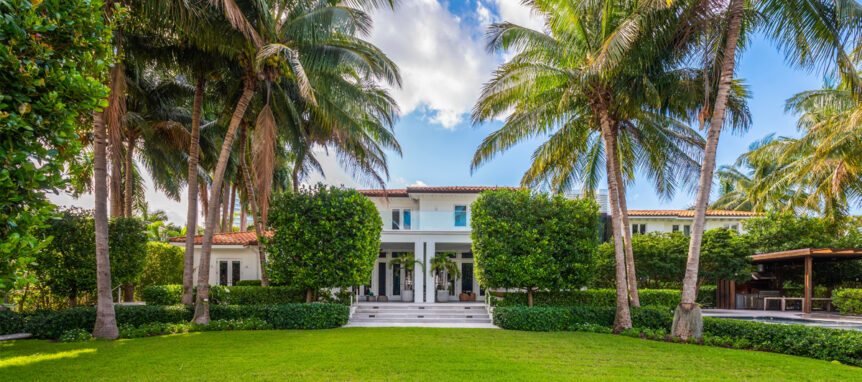
The appearance of an HOA community is influenced heavily by the condition of its landscaping. Well-maintained lawns, neatly trimmed shrubs, healthy trees, and attractive common areas help create a welcoming environment for residents and visitors. In South Florida, however, maintaining that appearance requires consistent attention throughout the year.
Warm temperatures, frequent rainfall, rapid plant growth, and seasonal weather changes can quickly affect even a professionally designed landscape. Establishing a consistent landscape maintenance schedule allows HOA communities to address routine needs proactively instead of waiting for individual areas to become overgrown or unhealthy.
Maintaining a Consistent Community Appearance
One of the greatest challenges for HOA communities is maintaining a uniform appearance across large properties. Entrance areas, medians, common spaces, sidewalks, clubhouses, and recreational areas may all require different levels of landscape attention.
A regular maintenance schedule keeps these areas from being addressed only when problems become obvious. Lawns can be maintained consistently, shrubs can be kept at appropriate sizes, and planting beds can receive ongoing attention.
Consistency is particularly important for HOAs because landscaping often contributes significantly to the overall character and visual identity of the community.
Keeping Up With South Florida’s Rapid Growth
South Florida’s climate allows many types of grass, shrubs, trees, palms, and ornamental plants to grow throughout much of the year. During warmer and wetter periods, that growth can accelerate considerably.
Without consistent maintenance, shrubs can quickly lose their intended shape, grass can become uneven, and vegetation may begin extending into sidewalks, roads, signs, or other common areas.
Scheduled landscape service allows maintenance frequency to reflect seasonal growing conditions. Instead of reacting after landscaping becomes overgrown, crews can manage growth as part of an ongoing plan.
Identifying Landscape Problems Earlier
Regular landscape visits also create opportunities to identify developing concerns before they become larger problems. Changes in plant color, thinning turf, damaged branches, irrigation problems, standing water, and unusual growth can all indicate that an area needs attention.
When crews are familiar with a property and visit it consistently, changes may be easier to recognize. Addressing smaller issues early can help protect existing landscaping and reduce the need for more extensive improvements later.
This proactive approach is especially valuable for larger communities where landscaping represents a significant long-term investment.
Supporting Healthier Trees, Shrubs, and Turf
Landscape maintenance is about more than keeping plants neatly trimmed. Trees, shrubs, turf, and ornamental plants have different growth patterns and maintenance needs.
Consistent care helps ensure pruning, trimming, mowing, edging, and other routine services occur at appropriate intervals. It can also help prevent landscaping from becoming overcrowded or interfering with neighboring plants.
Over time, proper maintenance supports a healthier landscape while preserving the design and appearance the community was intended to have.
Improving Safety and Accessibility
Overgrown landscaping can create practical concerns throughout an HOA property. Shrubs may extend into sidewalks, tree branches can interfere with lighting, and vegetation near intersections or community entrances may reduce visibility.
Consistent trimming and grounds maintenance help keep pedestrian and vehicle areas clear. Maintaining vegetation around signs, lighting, walkways, and recreational areas also helps ensure these features remain visible and accessible.
These details may seem minor individually, but together they contribute to a community that feels organized, cared for, and easier to navigate.
Helping Irrigation and Landscaping Work Together
South Florida landscaping depends on proper water management, particularly during periods when rainfall is inconsistent. At the same time, excessive watering can create its own problems.
Routine landscape maintenance gives crews opportunities to notice visible signs of irrigation concerns, such as unusually dry areas, excessive moisture, runoff, or uneven plant performance.
Coordinating landscape and irrigation needs can help communities use water more effectively while supporting healthier plant growth throughout different seasons.
Protecting the HOA’s Landscaping Investment
HOA communities often have substantial investments in mature trees, palms, ornamental landscaping, turf, and common-area improvements. Allowing these features to deteriorate can eventually create much larger expenses.
Consistent maintenance helps protect that investment. Keeping existing plants healthy and addressing problems proactively may reduce unnecessary replacement while preserving the appearance residents expect.
A predictable maintenance schedule can also make landscape planning easier for boards and property managers by creating a more organized approach to routine care and future enhancements.
Making Property Management More Predictable
Managing an HOA involves coordinating many different responsibilities. Landscaping should not have to become a recurring emergency.
A consistent maintenance schedule establishes expectations for both the community and its landscape provider. Property managers can communicate concerns, monitor recurring needs, and plan seasonal improvements as part of an ongoing relationship rather than repeatedly arranging individual services.
This continuity can be particularly beneficial for larger communities with numerous common areas and diverse landscaping needs.
Keep Your HOA Looking Its Best Year-Round
A beautiful HOA landscape does not happen through occasional maintenance. It requires consistent attention that responds to South Florida’s rapid plant growth, heavy rainfall, intense sun, and year-round landscaping demands. A structured maintenance schedule can help preserve curb appeal, support plant health, improve accessibility, identify developing problems, and protect the community’s long-term landscaping investment.
For HOA boards and property managers looking for dependable professional landscape maintenance, contact Legacy Services to learn how a consistent maintenance program can help keep your community looking its best throughout the year.