
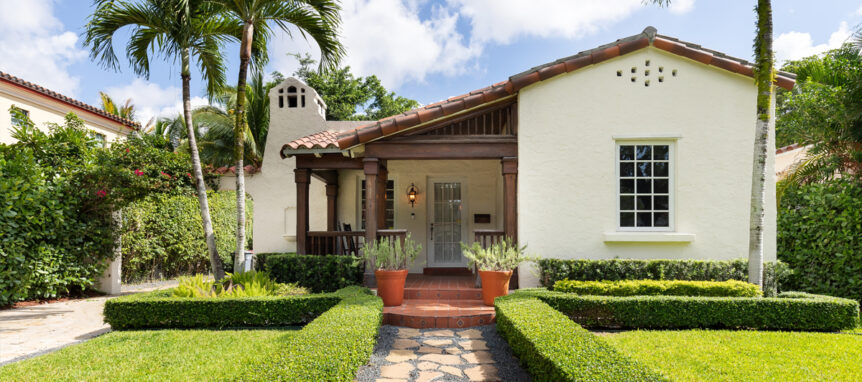
Creating a healthy landscape in South Florida requires more than choosing attractive trees, shrubs, and flowers. What covers the soil around those plants can also have a significant impact on how well the landscape performs. Mulch and ground cover help protect planting areas, manage moisture, reduce unwanted weed growth, and create a finished appearance throughout residential communities and commercial properties.
With South Florida’s intense sun, periods of heavy rainfall, and year-round growing season, thoughtful use of mulch and ground cover can make landscapes easier to maintain while supporting healthier plants.
Helping the Soil Retain Moisture
South Florida landscapes regularly move between periods of intense rainfall and hot, dry conditions. Mulch can help moderate these changes by reducing how quickly moisture evaporates from exposed soil.
By helping the soil retain moisture for longer periods, mulch can support trees, shrubs, and other landscape plants between rainfall and irrigation cycles. This can be especially useful during hotter parts of the year when direct sunlight causes exposed soil to dry more quickly.
Moisture retention does not eliminate the need for proper irrigation, but it can help create more consistent growing conditions around established plants.
Reducing Unwanted Weed Growth
Weeds compete with desirable plants for water, nutrients, sunlight, and growing space. South Florida’s warm climate allows many weeds to grow rapidly, making weed management an ongoing part of landscape maintenance.
A properly maintained layer of mulch helps limit the amount of sunlight reaching the soil surface, making conditions less favorable for many weed seeds to germinate. Ground-cover plants can serve a similar purpose by filling open areas where weeds might otherwise become established.
Neither method eliminates weeds entirely, but both can help reduce their prevalence and make landscape beds easier to maintain.
Protecting Soil From Heavy Rainfall
Heavy downpours are a normal part of South Florida’s rainy season. When rain strikes exposed soil, it can displace soil particles, wash mulch or sediment onto sidewalks, and gradually contribute to erosion.
Mulch provides a protective layer between rainfall and the soil beneath it. Ground-cover plants can also help stabilize landscape areas with their root systems and foliage.
This protection can be especially valuable around sloped beds, drainage areas, community entrances, and other locations where runoff frequently moves through the landscape.
Regulating Soil Temperature
The South Florida sun can heat exposed soil considerably, particularly during summer. Mulch provides insulation that helps protect the soil from rapid temperature fluctuations.
More moderate soil temperatures can create better conditions for plant roots and help reduce environmental stress during particularly hot periods. Ground-cover plants also shade portions of the soil, creating another layer of protection from direct sunlight.
This is one reason properly designed planting beds often perform better than large areas of exposed soil.
Choosing Ground Cover for Function and Appearance
Ground cover can play both practical and aesthetic roles in landscape design. Low-growing plants can fill spaces between larger shrubs and trees, soften transitions between planting beds and hardscapes, and introduce additional texture and color.
The appropriate ground cover depends on the conditions of the individual property. Sun exposure, irrigation, soil conditions, drainage, and surrounding plants should all be considered when selecting varieties.
A plant that performs well in a shaded bed may struggle in direct South Florida sun. Professional landscape planning helps match plant material to the conditions where it will actually grow.
Creating a More Finished Landscape
Fresh, properly installed mulch gives landscape beds a clean and intentional appearance. It creates visual separation between lawns and planting areas while helping trees, shrubs, and flowers stand out.
Ground cover can achieve a similar effect in areas where living plant material is preferred. As plants mature and fill in, they can create a lush appearance that complements palms, ornamental shrubs, flowering plants, and other landscape features.
For HOAs and commercial properties, these details can make a noticeable difference in how maintained and welcoming common areas appear.
Proper Mulch Installation Matters
More mulch is not necessarily better. Excessive mulch can hold too much moisture around plants and tree trunks, while mulch piled directly against trunks or stems may create unfavorable growing conditions.
The depth and placement should be appropriate for the landscape and plant material. Mulch also needs periodic attention as it breaks down, shifts during heavy rain, or becomes thin in high-traffic and runoff areas.
Professional landscape maintenance can help ensure mulch and ground-cover areas remain functional as well as attractive.
Build a Healthier South Florida Landscape
Mulch and ground cover may seem like finishing touches, but they can play an important role in long-term landscape health. From retaining moisture and moderating soil temperatures to reducing weeds, limiting erosion, and improving curb appeal, these features contribute to landscapes that look better and perform more effectively throughout the year.
For professional assistance maintaining and enhancing your property’s landscaping, contact Legacy Services to learn more about landscape maintenance services for South Florida properties.