
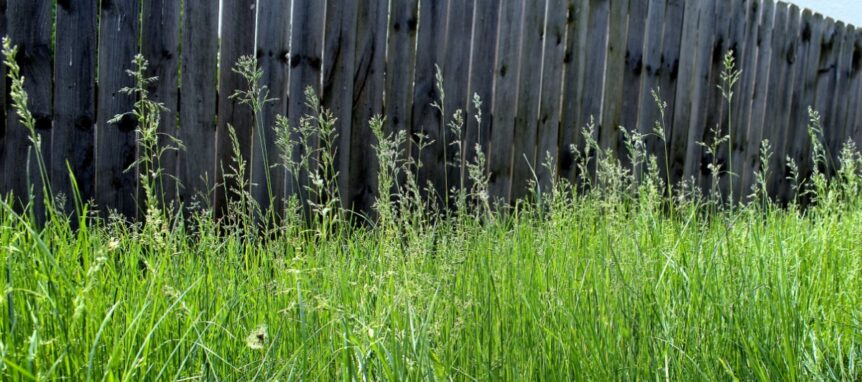
A lush, thriving landscape is one of the most valuable features of any HOA community, commercial property, or residential development. Well-maintained trees, shrubs, and planting beds enhance curb appeal, increase property value, and create welcoming outdoor spaces. However, when landscaping is allowed to grow unchecked, it can introduce a variety of safety concerns that are often overlooked until a problem occurs.
In South Florida, where warm temperatures and frequent rainfall promote rapid growth year-round, regular maintenance is essential. Overgrown vegetation can obstruct visibility, create tripping hazards, attract pests, and increase storm-related risks. Understanding these hidden dangers can help property owners and managers take proactive steps to keep their communities safe and attractive.
Reduced Visibility for Drivers and Pedestrians
One of the most common safety hazards associated with overgrown landscaping is impaired visibility. Shrubs, hedges, and tree branches that extend beyond their intended boundaries can block sightlines at intersections, driveways, entrances, and walkways.
Drivers entering or exiting a community may have difficulty seeing oncoming traffic when landscaping obstructs their view. Pedestrians can also be placed at risk when overgrown vegetation blocks pathways or hides approaching vehicles. Even decorative plantings around signage can reduce visibility and make it harder for visitors to navigate the property safely.
Routine trimming and pruning help maintain clear sightlines and ensure that both drivers and pedestrians can move through the property with confidence.
Increased Risk of Trips and Falls
Walkways and common areas should remain clear and accessible for residents and visitors. Unfortunately, overgrown landscaping often creates obstacles that increase the likelihood of accidents.
Low-hanging branches can force pedestrians to duck or walk around them, while plants that spread into sidewalks and pathways reduce usable walking space. Roots from unmanaged trees and shrubs can also contribute to uneven surfaces by lifting pavers or cracking concrete over time.
For HOA communities and commercial properties, these conditions can create liability concerns in addition to safety risks. Consistent landscape maintenance helps prevent these hazards before they lead to injuries.
Creating Hiding Places for Pests
Dense vegetation provides ideal shelter for a variety of unwanted pests. Rodents, snakes, mosquitoes, and insects are all more likely to inhabit landscapes that are overgrown and poorly maintained.
Thick shrubs and accumulated plant debris create cool, protected environments where pests can nest and reproduce. Standing water trapped within dense vegetation can further encourage mosquito activity, which is particularly problematic in South Florida’s climate.
Keeping landscapes properly trimmed and free of excessive debris reduces the conditions that attract pests and supports a healthier outdoor environment for residents and guests.
Obstructing Lighting and Security Features
Landscape lighting and security systems are only effective when they can perform as intended. Overgrown trees and shrubs often block lighting fixtures, reducing visibility throughout the property and creating dark areas that feel unsafe.
Vegetation can also interfere with security cameras by blocking views of entrances, parking lots, and common areas. These blind spots reduce the effectiveness of surveillance systems and can make it more difficult to monitor activity throughout the property.
Regular pruning ensures that lighting and security infrastructure remain unobstructed, helping maintain both safety and peace of mind.
Increasing Storm-Related Risks
South Florida communities must always be mindful of hurricane season and severe weather. Overgrown trees and shrubs are far more likely to suffer damage during storms, producing fallen branches and debris that can damage buildings, vehicles, and infrastructure.
Dead limbs hidden within dense canopies often go unnoticed until high winds cause them to break. Overgrown vegetation can also clog drainage systems with leaves and debris, contributing to flooding and water damage during heavy rainfall.
Preventative maintenance helps reduce these risks by removing weak branches, controlling growth, and ensuring that landscapes are prepared for storm season.
Affecting Emergency Access and Property Functionality
In larger communities and commercial properties, overgrown landscaping can interfere with emergency access routes, utility equipment, and maintenance operations. Fire hydrants, utility boxes, and service areas may become difficult to locate or access when surrounded by excessive vegetation.
This can slow response times during emergencies and create challenges for maintenance crews performing routine work. Keeping these areas clear is an important part of maintaining both safety and operational efficiency.
Protect Your Property with Proactive Landscape Care
At Legacy Services, we understand that landscape maintenance is about more than appearance. Proper trimming, pruning, and groundskeeping help eliminate hidden safety hazards while preserving the beauty and value of your property. Our experienced team works with HOA communities, commercial properties, and residential developments throughout South Florida to create safer, healthier outdoor environments.
To keep your landscape attractive, functional, and free from hidden hazards, contact us today.