
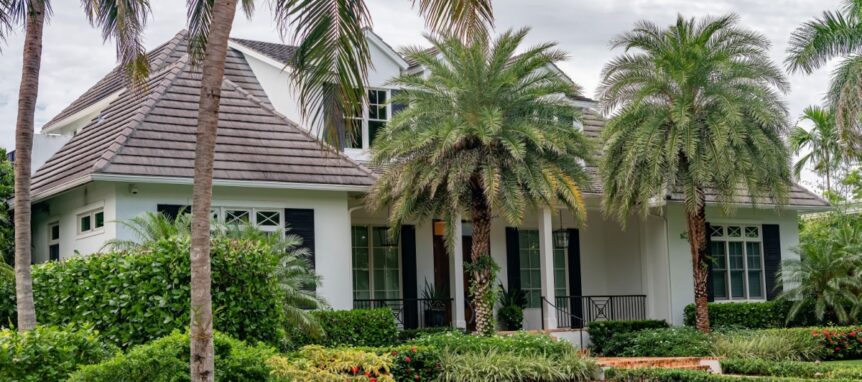
Trees are among the most valuable assets in any community landscape. They provide beauty, shade, environmental benefits, and a sense of maturity that enhances the overall character of a property. Whether lining streets, framing entrances, or providing canopy over common areas, healthy trees contribute significantly to the appearance and functionality of HOA communities, commercial properties, and residential developments.
However, trees require ongoing care to remain healthy and safe. Without proper maintenance, they can become vulnerable to disease, pests, storm damage, and structural failure. Investing in tree health is not just about preserving individual trees, it’s about protecting the landscape as a whole and maximizing the value they bring to the community.
Creating a More Attractive Community
Healthy trees have a dramatic impact on curb appeal. Mature canopies, vibrant foliage, and well-maintained tree lines create a welcoming environment that makes a strong first impression on residents and visitors alike.
Communities with thriving trees often appear more established and desirable than those with sparse or unhealthy vegetation. Trees add visual interest throughout the year, provide natural framing for homes and buildings, and help soften the appearance of roads, parking lots, and hardscape features.
When trees are neglected, signs of decline such as dead branches, thinning canopies, or discoloration can quickly detract from the property’s appearance. Consistent care helps ensure trees remain a positive focal point within the landscape.
Providing Shade and Improving Comfort
South Florida’s climate makes shade one of the most valuable landscape features a community can offer. Healthy trees help reduce surface temperatures by shading sidewalks, playgrounds, parking areas, and outdoor gathering spaces.
This cooling effect creates more comfortable environments for residents and visitors while encouraging greater use of outdoor amenities. Shaded walkways become more enjoyable for daily walks, and common areas become more inviting places to relax or socialize.
Trees can also help reduce heat buildup around buildings, contributing to a more pleasant atmosphere throughout the property.
Supporting Property Values
Landscape quality plays an important role in property values, and healthy trees are often among the most visible indicators of a well-maintained community. Prospective buyers frequently associate mature trees with stability, beauty, and long-term care.
A community with thriving trees often enjoys stronger curb appeal, which can positively influence buyer interest and overall market perception. In contrast, dead or declining trees can raise concerns about maintenance standards and future costs.
By prioritizing tree health, HOA boards and property managers help protect the investment that residents have made in their homes and properties.
Improving Environmental Benefits
Healthy trees provide numerous environmental advantages that benefit the entire community. They absorb carbon dioxide, release oxygen, filter airborne pollutants, and help improve overall air quality. Their root systems also assist with soil stabilization and water absorption, reducing erosion and supporting healthier landscapes.
In urban and suburban environments, trees help counteract the heat generated by buildings, pavement, and vehicles. This cooling effect contributes to a more balanced outdoor environment and supports sustainability efforts throughout the community.
The environmental benefits of trees increase as they mature, making long-term care and preservation especially valuable.
Reducing Storm-Related Risks
While healthy trees offer many benefits, neglected trees can become significant liabilities during storm season. Dead limbs, weak branch attachments, and structural defects increase the likelihood of damage during high winds and heavy rain.
Routine inspections, pruning, and canopy management help identify potential issues before they become hazards. Removing weakened branches and promoting balanced growth improves a tree’s ability to withstand severe weather conditions.
For South Florida communities, proactive tree care is an important part of storm preparedness. Healthy trees are generally more resilient and less likely to contribute to costly cleanup and property damage following major weather events.
Preventing Pest and Disease Problems
Trees under stress are more susceptible to insects, fungal infections, and other health issues. Once a disease or infestation takes hold, it can spread quickly throughout a property if left untreated.
Regular tree care allows professionals to identify early warning signs and address problems before they become widespread. Proper pruning, adequate watering, and routine monitoring all contribute to stronger trees that are better equipped to resist pests and disease naturally.
Maintaining tree health helps protect not only individual specimens but also the broader landscape ecosystem.
Building a Stronger Community Landscape
Trees are long-term investments that continue providing value for decades when properly maintained. They enhance beauty, improve comfort, support property values, and contribute to the overall health of the landscape. Communities that prioritize tree care benefit from safer, more attractive outdoor spaces that residents can enjoy year-round.
At Legacy Services, we help HOA communities, commercial properties, and residential developments maintain healthy, thriving trees through professional pruning, inspections, and landscape management services. Our team understands the unique challenges South Florida trees face and provides customized care designed to support long-term health and performance.
To keep your community’s trees healthy, safe, and beautiful, contact us today.